

Frequently Asked Questions
What is hospice care?
Hospice is specialized medical care focused on comfort and quality of life when a serious illness is no longer responding to curative treatment.
The goal shifts from cure to comfort — managing pain, easing symptoms, and supporting both the patient and family emotionally and spiritually.
Hospice care can be provided in a private home, assisted living community, or board & care residence.
Does choosing hospice mean giving up?
No.
Choosing hospice means choosing comfort, dignity, and meaningful time together when medical treatments are no longer improving the condition.
Hospice does not hasten death.
It focuses on managing symptoms and improving quality of life.
Who pays for hospice?
Cardinal Care Hospice accepts:
• Medicare
• Medi-Cal
Under both benefits, hospice typically covers:
• Skilled nursing visits
• Hospice aide support
• Medications related to the terminal diagnosis
• Durable medical equipment
• Medical supplies
• Social work and spiritual care
• Bereavement support
In most cases, there is little to no out-of-pocket cost.
We are happy to verify eligibility and explain coverage clearly.
When is someone eligible for hospice?
Hospice eligibility generally requires:
• A physician’s certification that life expectancy is six months or less if the illness follows its natural course
• A decision to focus on comfort rather than curative treatment
We provide free hospice evaluations to help families determine if it is the right time.
What if the patient lives longer than six months?
Hospice care can continue beyond six months as long as the patient continues to meet eligibility criteria.
Hospice is based on condition, not a fixed timeline.
Is hospice only for cancer patients?
No.
We care for patients with:
• Advanced heart disease
• COPD and lung disease
• Advanced dementia
• Stroke
• Parkinson’s disease
• Kidney or liver failure
• General decline from multiple chronic illnesses
Hospice supports many types of serious illness.
Can hospice manage complex medical needs?
Yes.
Cardinal Care Hospice provides advanced symptom management including:
• Complex wound care
• Cardiac symptom stabilization
• Respiratory distress management
• Catheter care
• Pain regimen adjustments
• Crisis intervention
Our clinical team anticipates changes early to reduce unnecessary hospital transfers.
What happens in a crisis?
We provide 24/7 nurse access.
If symptoms escalate, our nurse responds promptly — often preventing unnecessary emergency room visits.
When hospital-level symptom management is required, we coordinate General Inpatient Care seamlessly.
What support is available for family members?
We provide:
• Emotional counseling
• Social work guidance
• Spiritual support
• Education on what to expect
• Bereavement services for up to 13 months after passing
Families are part of the care plan — not observers.
What if we need help beyond hospice?
We understand that care needs can extend beyond hospice services.
If families need:
• Placement support
• In-home caregiving
• Transitional planning
We connect them with trusted community resources such as Pacific Coast Senior Solutions and Kompass Care.
Our approach is holistic.
We look at every layer of need.
Do you provide spiritual care?
Yes.
We respect all faith traditions and cultural practices.
Our chaplains provide spiritual support if desired and can coordinate with clergy and faith leaders.
We believe spiritual peace is an important part of comfort care.
How quickly can you admit a patient?
We offer same-day or next-day evaluations whenever possible.
Our admissions team works closely with hospital discharge planners and facilities to ensure smooth transitions.
Do you accept both Medicare and Medi-Cal hospice patients?
Yes.
Cardinal Care Hospice is certified to provide hospice services under both Medicare and Medi-Cal.
How do we refer a patient?
You may:
• Call our intake line directly
• Fax referral documentation
• Contact our clinical liaison
We respond promptly and communicate clearly throughout the admission process.
If you do not see your question here, please call us.
Hospice decisions can feel overwhelming, and no question is too small.
We are here to listen.
Contact Us

You can contact us through these means:
E-mail address: info@cardinal-care-hospice.com
Contact number: (323) 962-3840
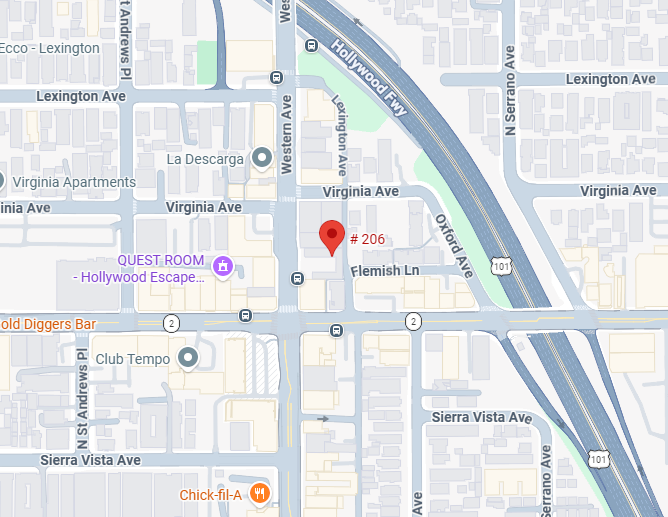
Find us at our Address: 1110 N. Western Avenue Suite 206, Los Angeles, CA 90029 USA
We're here to provide support and guidance whenever you need it. Please fill out the form, and a member of our compassionate team will get in touch with you promptly to answer your questions or discuss how we can assist you and your loved one.